 Wonderful Peace
Pass Me Not, O Gentle Savior
Hear this hymn on the organ or piano in the Wonderful Peace app.
- Pass me not, O gentle Savior, Hear my humble cry; While on others Thou art calling, Do not pass me by.
- ChorusSavior, Savior, Hear my humble cry; While on others Thou art calling, Do not pass me by.
- Let me at Thy throne of mercy Find a sweet relief; Kneeling there in deep contrition, Help my unbelief.
- Trusting only in Thy merit, Would I seek Thy face; Heal my wounded, broken spirit, Save me by Thy grace.
- Thou the Spring of all my comfort, More than life to me, Whom have I on earth beside Thee? Whom in heav’n but Thee?
Sing the chorus after each verse.
Words as printed in old hymnals, free for anyone to sing and share. Checked word for word against an old printed hymnal: Baptist Standard Hymnal 1924 #362.
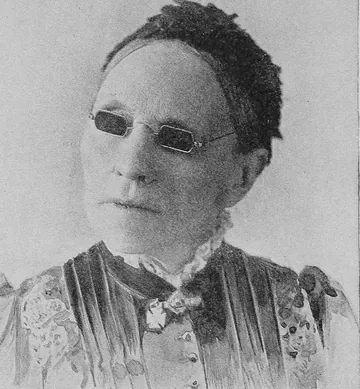
From Historic Hymnists, 1893
The story behind the hymn
Fanny Crosby, blind since infancy, often worked with the composer William Doane. In 1868 he suggested a subject to her, and from it she wrote “Pass Me Not, O Gentle Savior.”
A story often told is that Fanny had visited a prison in New York, and as she spoke to the men there, she heard one of them cry out, “Good Lord, do not pass me by.” Fanny Crosby does not mention this in her own life story, so we cannot be sure it happened that way, but the words of the hymn carry just that plea.
Doane set the words to music, and the hymn was published in 1870. A few years later the evangelists Dwight Moody and Ira Sankey used it in their great meetings in Britain, and it was soon known around the world.
Its words come from the cry of every heart that feels small and unworthy: “While on others Thou art calling, do not pass me by.” And the hymn answers with trust, calling Jesus “the spring of all my comfort, more than life to me.”